
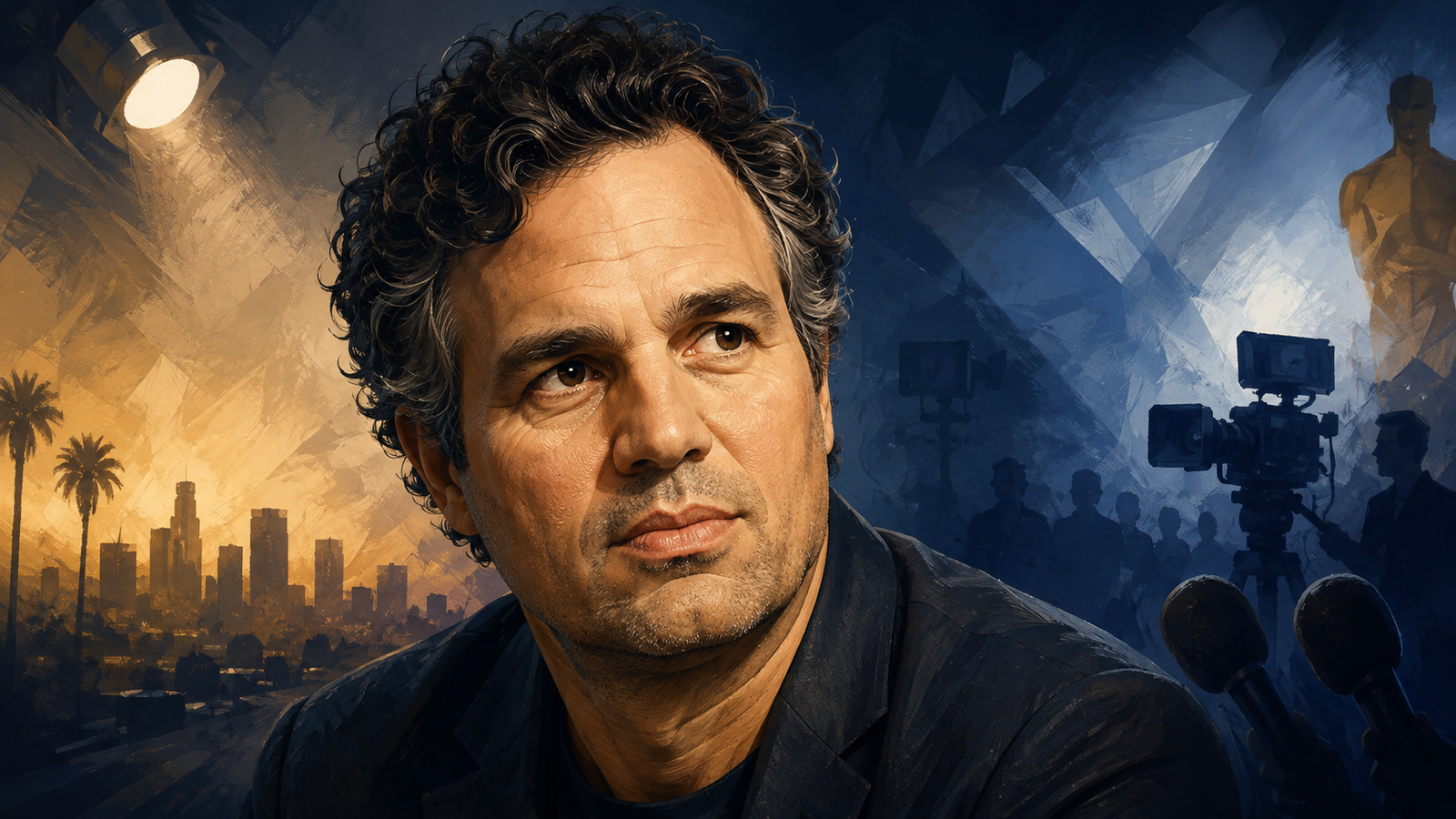
| Quick summaryMark Ruffalo is trending after a public clash with Paramount over the proposed Paramount-Warner Bros. Discovery merger.Paramount accused Ruffalo of invoking antisemitic tropes after he connected the merger, Oracle technology and Israel-related issues in a social-media post.Ruffalo rejected that accusation and said his criticism was aimed at political decisions, technology contracts and corporate executives—not Jewish people.The merger itself is already facing an antitrust lawsuit led by California and 11 other state attorneys general. |
Mark Ruffalo is back in the headlines, but this time the story is not about a new Marvel movie. The actor has become part of a heated public dispute over Paramount’s planned acquisition of Warner Bros. Discovery. The Telegraph, Fox News and the New York Post all reported on the clash after Paramount criticized Ruffalo’s comments and he publicly pushed back.
The controversy sits at the intersection of celebrity activism, Hollywood consolidation, antitrust law and the Israel-Gaza debate. That mix has made the story spread quickly across entertainment and political media. It is also a story where wording matters: Paramount made an accusation, and Ruffalo denied it. Those are separate facts, and neither should be presented as a settled judgment about his character.
What did Mark Ruffalo say?
The dispute began after Ruffalo shared a social-media clip featuring Safra Catz, Oracle’s executive vice chair and a Paramount board member. In the clip, Catz discussed technology Oracle provided to Israel after the October 7, 2023 Hamas attacks. Ruffalo used the clip to criticize Oracle co-founder Larry Ellison and his son David Ellison, who leads Paramount, while arguing against the Warner Bros. Discovery deal. TheWrap reported the original exchange in detail.
Ruffalo warned about the power that could come from combining a huge entertainment business with the influence of wealthy technology investors. He also used the terms “genocide” and “apartheid” while discussing Gaza and Israel. In a neutral news article, those terms should be attributed to Ruffalo because their application in this political context is disputed.
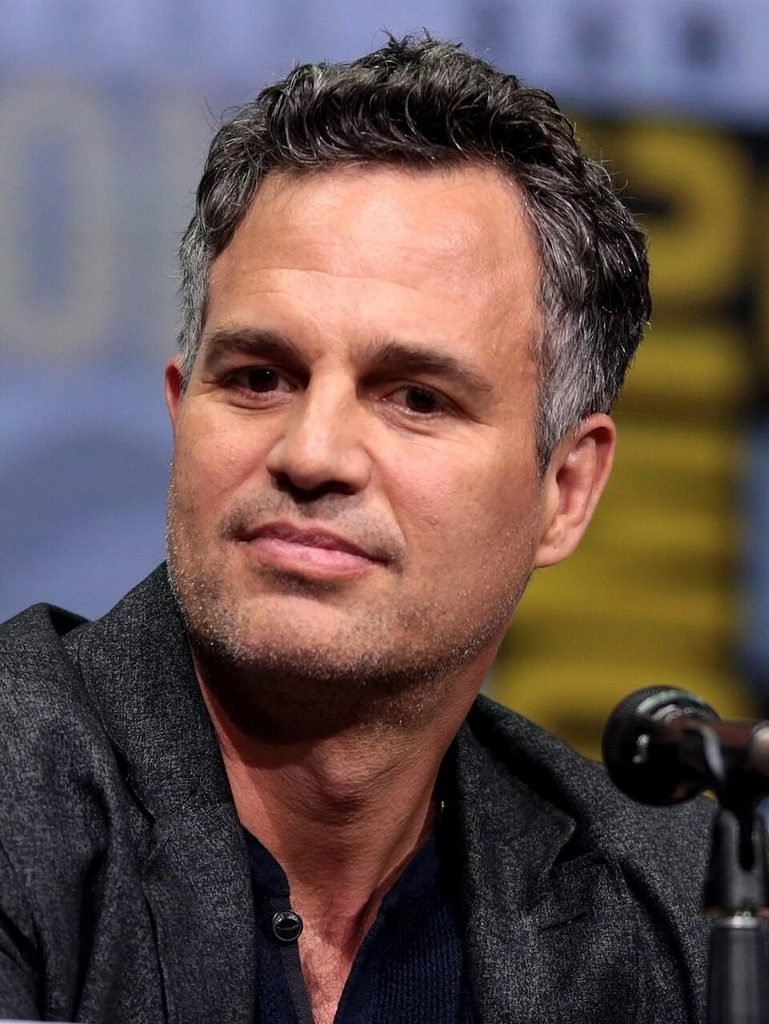
Mark Ruffalo at San Diego Comic-Con in 2017. Photo by Gage Skidmore via Wikimedia Commons (CC BY-SA 2.0).
_(cropped).jpg)
Paramount says the comments crossed a line
Paramount responded unusually directly for a major studio. According to Variety, the company said it was troubled by what it described as antisemitic tropes being brought into a business dispute. Paramount also rejected the way Ruffalo connected words such as “genocide” and “apartheid” to the proposed transaction, calling that framing “a bridge too far.”
The studio also said it does not tolerate prejudice. That is the source of the “antisemitism” headline now attached to the story. However, the accurate formulation is that Paramount accused Ruffalo of invoking antisemitic tropes; it is not the same as an independent finding that Ruffalo is antisemitic.
Ruffalo rejects the accusation
Ruffalo responded on August 22 and called the accusation “appalling and fundamentally dishonest.” In comments reported by Fox News and The Hollywood Reporter, he said criticism of an Israeli prime minister, a military-technology contract or corporate executives should not be treated as criticism of Jewish people.
He added that his political views should not be interpreted as hostility toward Jewish people and pointed to the influence of Jewish friends, colleagues and loved ones in his life. His response did not retreat from his opposition to the merger. Instead, he repeated concerns about concentrated media ownership, jobs, surveillance technology and editorial independence.
What is the Paramount-Warner Bros. Discovery merger?
The wider business story is important because Ruffalo’s comments did not appear in a vacuum. In February 2026, Paramount and Warner Bros. Discovery announced a definitive merger agreement. According to Paramount’s official announcement, Paramount agreed to pay $31 per WBD share in cash, valuing Warner Bros. Discovery at about $110 billion in enterprise value.
If completed, the combined company would bring major movie studios, television networks, streaming services and well-known franchises under one corporate group. Supporters of the deal argue that scale could help the company compete more effectively in a difficult streaming and media market. Critics worry that fewer large competitors could mean less choice, weaker bargaining power for workers and more influence concentrated in a small number of owners.
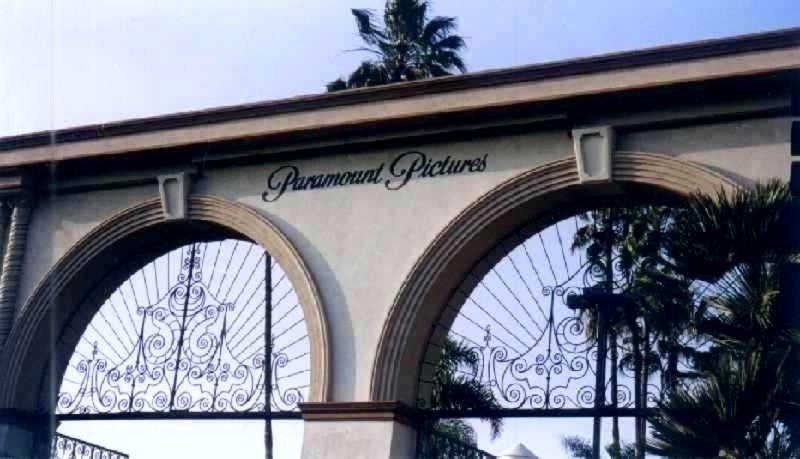
Paramount Pictures gate in Los Angeles. Photo by Wildhartlivie via Wikimedia Commons (CC BY 3.0).

The deal is already facing an antitrust lawsuit
Ruffalo is not the only person questioning the merger. On July 13, California Attorney General Rob Bonta led a coalition of 12 state attorneys general in filing a lawsuit to block it. The California Attorney General’s office argues that the transaction could reduce competition in theatrical film distribution and basic cable programming. Those are allegations in an active legal case, not a final court ruling.
A later agreement announced by the California Attorney General on July 24 said the companies would not complete the merger until June 1, 2027, or until a court decision on the states’ claims, whichever comes first. That development means the transaction is not simply waiting for paperwork; it is tied up in a serious legal challenge. Read the California DOJ update.
Why jobs and editorial independence keep coming up
One of Ruffalo’s recurring arguments is that large media mergers can lead to layoffs when two companies combine overlapping teams. He and other critics have also raised questions about whether a larger, more concentrated media owner could affect newsroom or studio decision-making. These concerns are broader than the current argument over his language, and they are part of the policy debate regulators and industry groups are having around the transaction.
Paramount, by contrast, has presented the deal as a way to build a stronger global entertainment company with more scale, more consumer choice and a larger collection of film and television brands. Its merger announcement emphasizes creative opportunities and competition in the global media market.
Why the Oracle and Israel angle made the story explode
Ruffalo’s post became especially controversial because he linked a Hollywood business deal to Oracle’s technology work involving Israel and to the war in Gaza. That moved the debate beyond antitrust and jobs into one of the most politically sensitive issues in the world. It also created two very different interpretations of the same post.
- Ruffalo’s position: his target was political power, corporate conduct, technology contracts and the people making those decisions.
- Paramount’s position: his framing invoked antisemitic tropes and used extreme political language in a corporate dispute.
Because both sides are making strong claims, responsible coverage should quote or paraphrase each side clearly and avoid turning either side’s accusation into the article’s own conclusion.
Latest reaction
The controversy continued on August 23. Deadline reported that the CEO of the Simon Wiesenthal Center also criticized Ruffalo’s remarks, adding another prominent voice to the backlash. The story is therefore still developing, and new corporate, legal or public responses could change the picture quickly.
What happens next?
There are now two separate tracks to watch. The first is the public dispute: whether Ruffalo or Paramount says more, and whether other actors, advocacy groups or industry organizations enter the debate. The second is much more important for the deal itself: the antitrust lawsuit and the timing of any court decision.
For readers searching “Mark Ruffalo” today, that is the key point. He is trending because a celebrity statement about a major Hollywood merger turned into a dispute over antisemitism, Israel-related technology, media ownership and corporate power. The merger was already controversial before the post, but the public argument has pushed it into a much wider news cycle.
FAQ
Why is Mark Ruffalo trending in August 2026?
He is trending after Paramount accused him of invoking antisemitic tropes while he criticized the proposed Paramount-Warner Bros. Discovery merger and discussed Oracle’s technology ties to Israel. Ruffalo denied that his comments were antisemitic.
Did Paramount call Mark Ruffalo antisemitic?
Paramount said it was troubled by antisemitic tropes in the dispute. News reports have described that as an accusation of antisemitism. Ruffalo strongly rejected the accusation.
How much is the Warner Bros. Discovery deal worth?
Paramount’s official February 2026 announcement put Warner Bros. Discovery’s enterprise value at about $110 billion and said WBD shareholders would receive $31 per share in cash.
Is the merger complete?
No. The deal is facing an antitrust lawsuit led by California and 11 other state attorneys general, and a July agreement paused completion until June 1, 2027, or a court ruling, whichever comes first.