
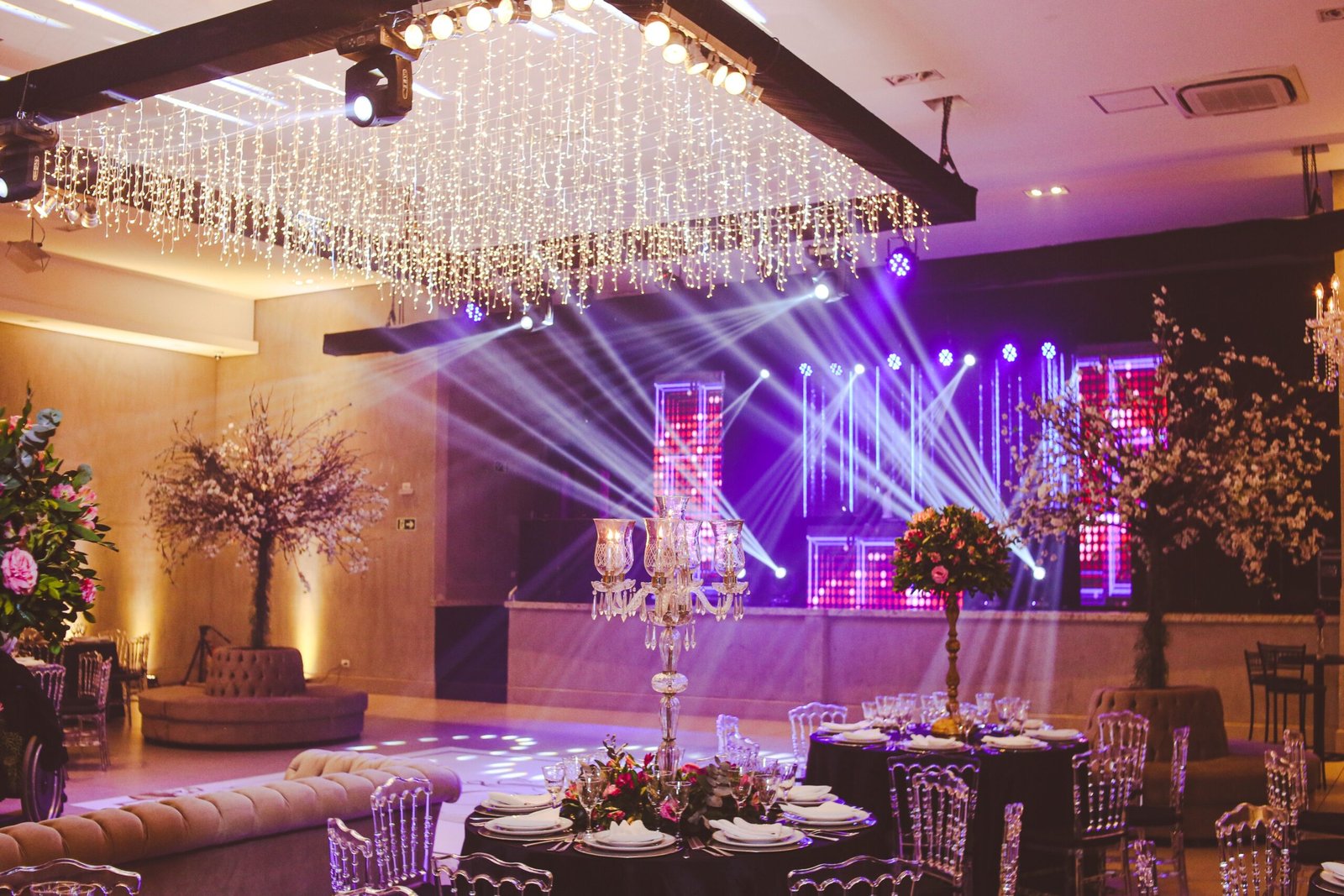
| Quick answer: A good awards event needs clear goals, a budget, a venue, simple award rules, a run sheet, a short practice, and clear team roles. |
Award ceremony event management needs a clear plan. First, set the goal for the event. Then, plan the budget, venue, awards, guests, and show.
A good awards night should feel easy for guests. However, the team must handle many small tasks. Clear roles help the event run well.
In 2026, teams also use more digital tools. For example, AI can help with simple planning tasks. At the same time, guest safety and greener choices still matter.
What Is Award Ceremony Event Management?
Award ceremony event management means planning and running an awards event. It starts with the first idea. Then, it ends with the final follow-up.
For example, an event may reward staff, students, or business partners. It may also honor people in an industry. Therefore, the plan should match the reason for the event.
The team must handle more than the venue. It also manages guests, awards, sound, lights, stage cues, and timing. In addition, the team needs a backup plan.
Why Good Planning Matters
Guests only see the final show. Behind the scenes, however, many people work at once. The venue team may serve food while the stage team gets ready.
Therefore, one simple plan is very useful. It tells each person what to do. It also helps the event lead make quick choices.
Good planning can cut delays and stress. In addition, it can make each award feel special. It can also improve photos and videos.
A clear stage plan can make the winner moment feel smooth and special.
Main Benefits
The event stays on time.
Guests know what is happening.
Winners get a better moment on stage.
Staff know their jobs.
The team can fix small problems fast.
Photos and videos look more organized.
Award Ceremony Event Management: Step by Step
1. Set the Goal
First, decide why you want to hold the event. You may want to reward staff or thank partners. You may also want to mark a big company win.
A clear goal makes later choices easier. For example, it can guide the guest list and venue. It can also guide the tone of the night.
2. Set the Budget
Next, write down the main costs. Add the venue, food, stage, sound, lights, awards, and decor. Also add photo, video, travel, and print costs.
Then, keep some money for late changes. This small reserve can help when a new cost appears.
3. Choose the Awards
Keep award names clear and easy to understand. Also, write simple rules for each award. This makes the process easier to trust.
Before you name the winners, check all names again. In addition, check job titles and company names. Small checks can prevent awkward errors.
4. Pick the Right Venue
Choose a venue that fits the guest count. Then, check the stage, seats, parking, power, and Wi-Fi. Make sure guests can move around with ease.
Also, check the space behind the stage. If you serve food, confirm the meal times early. This helps the show and service work together.
5. Keep the Theme Simple
A simple theme can join the whole event. For example, use the same look on the stage, invites, screens, and tables.
However, do not add too much decor. The winners should stay at the center of the event.
6. Plan Sound, Lights, and Screens
Good sound helps every guest hear the host. Good lights help the stage look clear. Large screens can also help guests see names and videos.
Therefore, test each item before the show. Also, keep a copy of every video and slide. A spare file can save time.
7. Manage Guests
Send invites early. Then, track each reply. Also note food needs, access needs, and VIP guests.
Next, make a simple seating plan. On the event day, use clear signs for check-in. This can reduce lines and stress.
8. Prepare the Host and Speakers
Give the host a short and clear script. Also, give each speaker simple stage notes. They should know where to stand and when to leave.
Most importantly, check how each winner’s name sounds. This small step can make the show feel much more polished.
9. Make a Run Sheet
The run sheet lists each part of the night. Start with guest arrival. Then add the welcome, meal, awards, breaks, photos, and closing.
Also, add a time next to each part. Give one person the job of watching the clock. This keeps the show moving.
10. Rehearse
A short practice can prevent many problems. For example, test the mics, music, videos, lights, and stage walks.
As a result, the team can fix issues before guests arrive. The host can also feel more ready.
11. Run the Live Show
During the show, keep team messages short. The event lead should make final calls. Meanwhile, each team member should follow the run sheet.
If a delay happens, change the plan quietly. Then, guide the show back to the right time. Guests should not feel the pressure.
12. Follow Up
After the event, share winner photos and thank the guests. Also, thank sponsors and key staff.
Finally, ask what worked well. Note any weak points too. These notes can help the next event run better.
A Simple Running Order
Every event needs its own timing. Still, a basic order can make planning easier.
For example, start with guest arrival and check-in. After that, move to the welcome, meal, awards, and closing.
Arrival and check-in: 30 to 45 minutes.
Welcome and meal: 60 to 90 minutes.
Awards: 45 to 90 minutes.
Closing: 15 to 30 minutes.
These times are only a guide. Therefore, change them for your event. Also, avoid one long awards block with no break.
A short video or music break can help. In addition, a short speaker can reset the room.
2026 Trends to Watch
AI and Simple Automation
In 2026, teams use AI for simple tasks. For example, it can help draft guest messages or planning notes. It can also help sort basic event data.
However, people should check key facts. Names, times, and award details need a human review.
Greener Event Choices
Many teams want to cut waste. Therefore, they use digital tickets and reusable signs. They may also choose less decor.
In addition, better supplier plans can reduce waste. Small changes can still make a real difference.
More Guest Involvement
Guests want to feel part of the night. For example, short videos can add energy. Photo spots can also give guests something fun to do.
Where it fits, live voting may work too. However, keep it simple and fair.
Better Data and Safety
Event apps and check-in tools can hold guest data. Therefore, the team should limit who can see that data.
Also, give staff clear safety roles. Larger events may need extra checks at entry points.
Common Mistakes to Avoid
Using too many award types.
Letting speeches run too long.
Skipping the stage practice.
Using the wrong winner name.
Failing to check how names sound.
Giving staff unclear roles.
Making the route to the stage too crowded.
Forgetting spare files or a spare mic.
Missing winner photos after the event.
Quick Planning Checklist
Set the event goal.
Set the budget.
Book the venue.
Choose the award types.
Set simple judging rules.
Order the awards.
Plan the stage and sound.
Send invites.
Track guest replies.
Make the seating plan.
Write the host script.
Make the run sheet.
Test videos and music.
Hold a short practice.
Keep backup files.
Take winner photos.
Send thank-you messages.
How Early Should You Start?
For a medium or large event, start three to six months early. This gives the team time to book key parts.
However, a very large show may need more time. A complex judging process may also need an earlier start.
A small event can move faster. Even so, do not leave the venue, awards, or sound plan until the last week.
Final Thoughts
Award ceremony event management works best with a simple plan. First, keep the winners and guests at the center. Then, build the event around them.
Use clear roles and short scripts. Also, test the key stage moments before the show.
Finally, use new tools only when they make the event easier. With this approach, the night can feel smooth, warm, and well planned.
FAQs
What is award ceremony event management?
It is the full plan for an awards event. It covers the budget, venue, guests, awards, stage, show, and follow-up.
What should an award ceremony include?
Most events include guest arrival, a welcome, award blocks, winner photos, and a closing. Food or music may also be part of the night.
Why should you rehearse?
A practice lets the team test sound, lights, videos, and stage moves. Therefore, the team can fix problems before the show.
How can you keep guests interested?
Keep speeches short. Also, mix awards with short videos, music, photos, or breaks. This gives the room a better pace.