
| Editor’s note: Reliable, authoritative documentation for the exact term “anime.idhentai” is limited. This article therefore avoids making unsupported claims about ownership, legitimacy, or safety and focuses on verifiable web-safety practices instead. |
People may encounter “anime.idhentai” in a search result, social post, referral page, browser history, or keyword tool. The exact phrase is not well documented by reliable mainstream sources, so it is better to treat it as an unfamiliar web term rather than assume it belongs to a known or official anime service.
The wording also appears to include an adult-content-associated term. That makes a safety-first approach especially important. A search result can look relevant while still leading to pages with aggressive ads, unexpected redirects, misleading buttons, or requests for personal information. The safest editorial position is to explain the uncertainty clearly and help readers verify what they see.
Understanding the Search Intent
The likely intent behind this keyword is mixed. Some users may simply want to know what the phrase refers to. Others may be trying to understand whether a page is legitimate, why it appeared in search, or where they can watch anime through safer and licensed sources.
For SEO, that means the article should answer the “what is this?” question quickly, then move into practical trust and privacy checks. This gives the page informational value without promoting an unverified or adult-oriented destination.
Why Unfamiliar Anime Websites Deserve Extra Caution
Unknown entertainment websites can sometimes depend on ad networks, pop-ups, redirects, or third-party scripts. None of those automatically prove that a site is malicious, but they can increase the chances of confusing or unsafe experiences. Google Safe Browsing says its systems warn users before dangerous sites or downloads, including pages associated with malware, unwanted software, or social-engineering attacks.
CISA also warns that phishing can use malicious websites to obtain personal information or persuade people to download harmful software. The practical lesson is simple: do not trust a page only because its design looks professional or because it appears near the top of a search result.
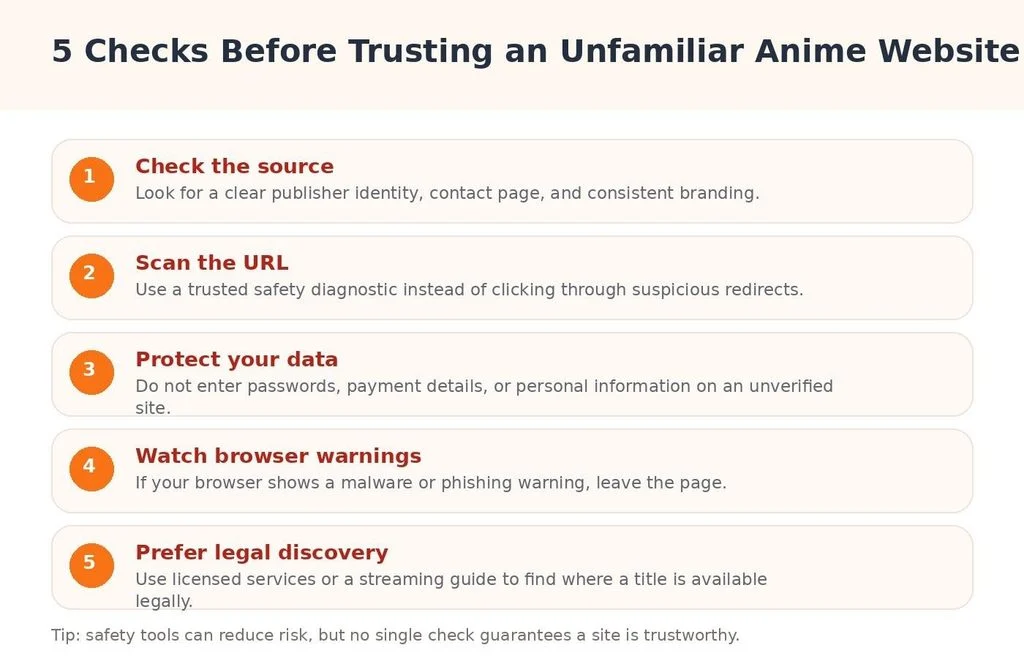
Image 1. Five checks to use before trusting an unfamiliar anime-related website.
Five Checks Before You Trust an Unfamiliar Site
First, check who is behind the page. A reliable service normally gives users a clear brand identity, consistent domain name, contact information, terms, and privacy details. Missing information does not automatically make a page dangerous, but it gives you less evidence to work with.
Second, use a trusted reputation or safety diagnostic instead of repeatedly clicking suspicious links. Google Safe Browsing provides a Site Status diagnostic designed to help people check whether Google has identified dangerous content on a domain.
Third, protect your personal data. Avoid entering passwords, payment details, phone numbers, or other identifying information into an unfamiliar website. If the page pressures you to sign in through another service, confirm that the address is correct before doing anything.
Fourth, pay attention to browser warnings. If Chrome or another modern browser displays a phishing or malware warning, leave the page rather than trying to continue through it.
Fifth, compare the result with established sources. If your real goal is to find where an anime title is available, legal-streaming directories and official platforms usually give you a cleaner path.
Safer Ways to Find Where Anime Is Streaming
Instead of relying on an unfamiliar page, search for the specific anime title and pair it with phrases such as “official streaming,” “where to watch,” or the name of a licensed provider. Netflix maintains an official anime category, while JustWatch is designed to show which streaming services carry particular movies and TV shows in supported regions.
The r/anime community wiki also keeps a legal-streaming section. Community resources are not the same as an official government or platform source, but they can still be useful as a secondary discovery aid when they point readers toward licensed services rather than unknown mirrors.
Protect Your Privacy While Browsing Entertainment Sites
Privacy is part of website quality. A page does not need to install malware to create a bad experience; excessive tracking, misleading account prompts, or unnecessary data requests can also be warning signs.
CISA’s “Secure Our World” guidance emphasizes strong passwords, multi-factor authentication, software updates, and phishing awareness. Those habits matter for entertainment accounts too. Use a unique password for streaming services, enable MFA when the provider supports it, and keep your browser and operating system updated.
For younger users, Google SafeSearch can help filter explicit results from Google Search, and the FTC provides guidance about children’s online privacy. These tools do not replace judgment, but they reduce accidental exposure to risky or inappropriate pages.
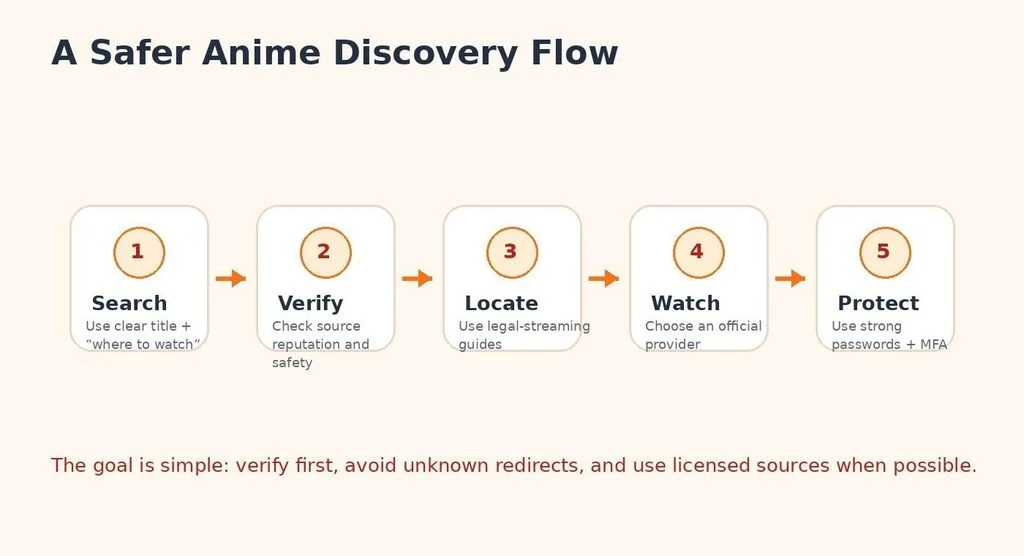
Image 2. A simple safer path from search to a licensed anime provider.
How to Judge the Quality of Anime Information
A strong anime information page should separate facts from assumptions. Look for publication dates, named sources, clear authorship, and links that actually support the claims being made. If a page makes strong statements about ownership, safety, or legality without evidence, treat those statements cautiously.
For your own article, use authoritative references for security claims and official or well-established entertainment sources for availability claims. That combination improves trust, keeps the article useful, and supports Google’s preference for content that is clear about who created it, why it exists, and where factual statements come from.
SEO Structure for This Topic
The main keyword should appear naturally in the title, introduction, one subheading, meta title, meta description, image alt text, and FAQ section. Do not force the phrase into every paragraph. A natural density around 0.5% to 1% is more readable than repetitive keyword stuffing.
Use related terms such as “anime site safety,” “safe anime streaming,” “legal anime streaming,” “anime privacy tips,” “suspicious anime website,” and “anime streaming guide.” These secondary phrases broaden topical coverage while keeping the intent informational.
Internal links can point to related articles such as “Anime Genres Explained,” “Best Legal Anime Streaming Options,” “Anime Fandoms List,” or “How to Check Whether a Website Is Safe.” External links should go to high-trust sources that directly support the sentence where the link appears.
Frequently Asked Questions
Is anime.idhentai an official anime platform?
There is not enough reliable, authoritative information to verify that. Do not assume a website is official based only on its name or appearance.
Is anime.idhentai safe?
A domain name alone cannot prove whether a website is safe. Use a trusted safety diagnostic, pay attention to browser warnings, and avoid sharing personal information with an unverified site.
Where can I find anime legally online?
Official streaming platforms and services such as Netflix carry anime in many regions. A streaming discovery service such as JustWatch can also help identify licensed availability for a specific title.
What should I do if a browser shows a security warning?
Leave the page. Browser warnings are designed to reduce exposure to phishing, malware, or other unsafe content.
Can Reddit be used as a research source?
Yes, but treat it as community evidence rather than a primary authority. Use it for audience questions, common concerns, and discovery, then verify factual claims with official or authoritative sources.